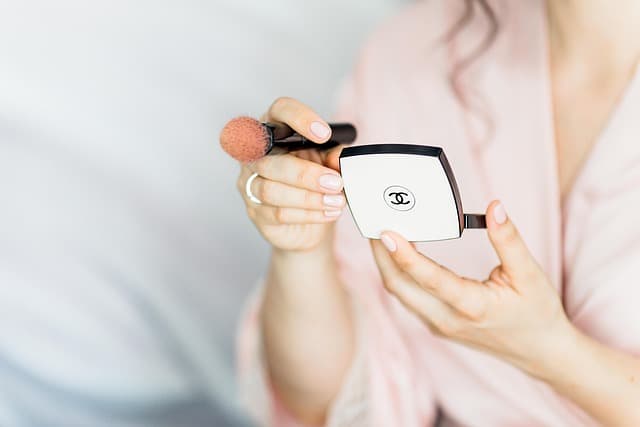
Makeup without makeup, natural beauty, and other principles are not new to us, but they are timelessly relevant. Moreover, last year’s trends encourage us to buy less cosmetics, clean up our beauty routine, and use only the necessary products. Is it possible to adhere to a minimalist concept and still feel comfortable, like what you see in the mirror, and not be tempted by alluring new products in stores? Let’s figure it out.
The philosophy of minimalism
Calls to switch to a sustainable (i.e., more environmentally friendly) lifestyle have taken over the media in recent years. The most telling illustration of this is social media. For example, at the beginning of the year, the hashtag #NoSpend became popular on TikTok, garnering over 63 million views. In videos with this hashtag, girls urge people to buy only the cosmetics they need, thereby stopping excessive consumption. And Highsnobiety magazine even suggested spending 2024 under the slogan of loud budgeting, or, in simpler terms, allocating your budget wisely and refusing excess, including cosmetics.
We have already written about how to reduce your stock of skincare products, and now we will figure out what to do with makeup. So, minimalism in makeup means
- using only a few products;
- Minimal application to the face so that the final look is as close as possible to your natural appearance.
What are the advantages of this concept? You:
- Spend less time applying makeup than you would with a heavier, brighter look;
- Save energy, time, and money on buying excessive (and not always necessary) tubes of makeup;
- Do not expose your skin to unnecessary chemicals;
- Don’t have to worry about your appearance throughout the day. Minimal makeup means minimal anxiety that something will smudge, oxidize, fall off, or rub off.
The disadvantages:
- You will have to try to control yourself so as not to make impulsive purchases when you see a beautiful jar;
- In a creative burst, you may not have the right cosmetics on hand to create an unusual look.
- If you are used to seeing yourself with an abundance of cosmetics, the new habit may seem strange to you. But we guarantee that after 2-3 days, your eyes will get used to it.
The basic principles of natural makeup
- Buy fewer, but higher-quality cosmetics, instead of chasing quantity and buying inexpensive products.
- Focus on health and skin care, then decorative products will complement your look rather than serve as its foundation.
- Use multifunctional tubes.
- Put together your own capsule makeup bag, which will include the best of the best — your favorite, reliable, and proven products.
- Only replace cosmetics when they run out. If you buy a new tube before finishing the old one, there is a risk that you will never finish the one you started.
Skin preparation
Before applying makeup, it is important to prepare your skin. This means performing a standard beauty ritual:
- Two-step cleansing — first with micellar water or oil, then with foam or gel.
- Moisturizing and care. The base is a cream, and you can also use a toner, essence, or serum.
- Sun protection with SPF.
Applying minimalist makeup
Now that your skin is prepped, let’s move on to the main process.
It starts with a base. Primer creates a layer between your skin and makeup. It evens out the surface for more even coverage and creates a base that prolongs wear.
“The makeup base should be perfect for you, as it is the ‘foundation’ of your look. When choosing a base, it is important to consider your skin type: do not use a base that is too light on skin that is too dry or dehydrated, and do not use products that are too oily in texture on oily skin. It is also important to consider that your skin can feel different and change its condition at different times of the year.
A few words about applying foundation. Starting from the center of your face, spread it over the entire surface, rubbing it in with your fingers or a sponge. Allow the primer to dry for a few minutes before applying foundation. Most importantly, ensure that the bases in the primer and foundation are compatible, meaning they should be either silicone-based or water-based. Using different bases can cause the products to separate and apply unevenly.
Next, apply foundation. There are two ways to do this:
- If you want to conceal noticeable features, you can use a light-weight foundation or CC cream. They will gently cover uneven skin tone and smooth out imperfections, leaving your natural texture intact.
- If you want to hide minor imperfections and simply refresh your appearance, we recommend looking for a light concealer. It can be applied to problem areas without affecting the overall tone of the face.
“When choosing a foundation, there are a few rules to keep in mind:
- Test the foundation in good lighting, preferably in daylight.
- When applying foundation to your face, don’t forget your neck — these areas should not contrast in color.
Don’t test foundation on your hand, as the skin tone on these two areas is different. But testing on your hand will help you choose the right texture for you,” says Zarina.
Moving on to the eyes.
- Comb your eyebrows with a brush and fix them with gel. For those who want to add brightness, we recommend looking into tinted gel. It will darken your eyebrows without making them look unnatural.
- You can apply highlighter or blush to your eyelids to add shine or color.
- Apply mascara to your eyelashes. The most natural option is brown, especially since it is extremely popular right now. By the way, if you’ve been wondering “how to choose the perfect mascara” for a long time, then this guide is for you.
Final touches.
- Apply blush to the apples of your cheeks and, if you need to add brightness to your look, to your lips.
- Apply highlighter just above the blush. You can also add it to the corners of your eyes, the tip of your nose, and above your upper lip.
- The final (optional) step is setting. You can set your makeup with setting spray or powder. This step is optional and depends on the durability of the cosmetics, weather conditions, and how long you plan to wear your makeup.